The Art of Food Photography: Tips and Tricks from a Professional Food Photographer.
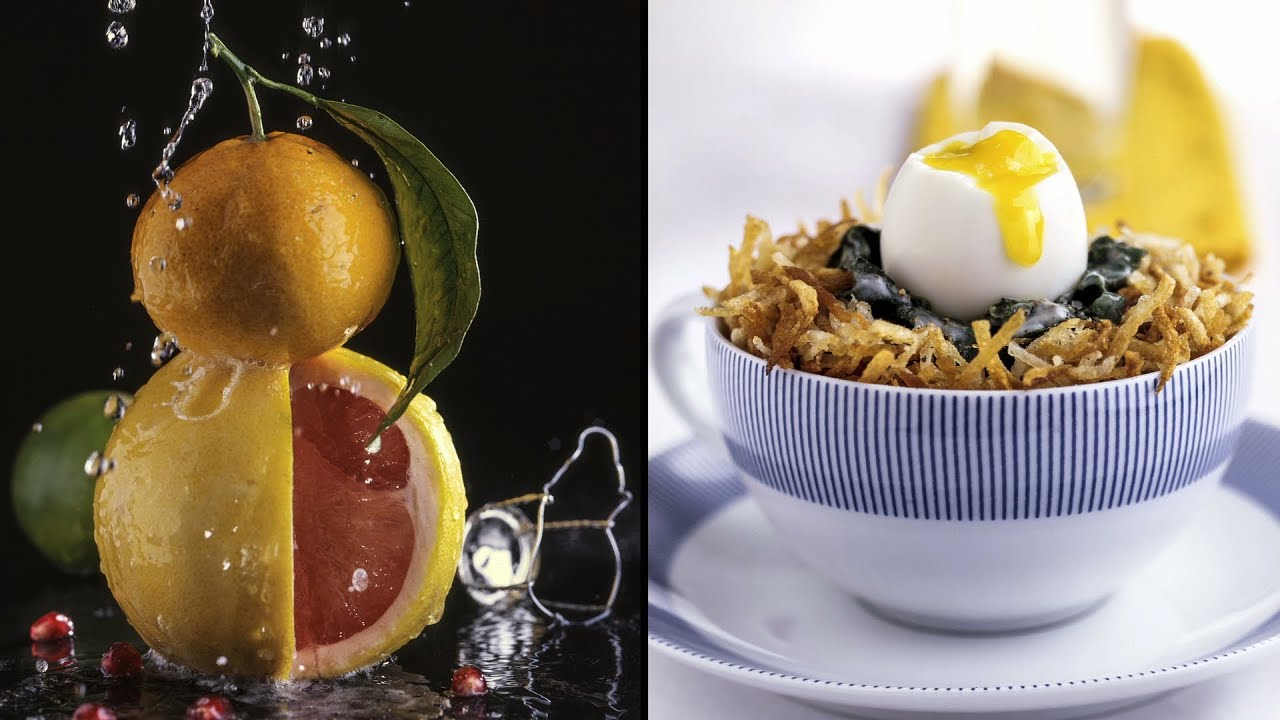
In today's digital age, we are constantly bombarded with images, especially of food. If you're in the food industry, you know that food photography is essential.
It's not only about capturing the beauty of the dish, but it's also about making it look appetizing and tempting. Food photography is an art.
Capturing the perfect shot requires skills, patience, and a good eye for detail. In this post, we've enlisted the help of a professional food photographer to share some tips and tricks on how to take amazing food photos that will make your customers crave your dishes.
From lighting and composition to props and post-processing, these tips will help you elevate your food photography game and take your business to the next level.
1. The Importance of Food Photography
In today's world, food photography has become an essential part of the food industry. Whether you are a chef, a food blogger, or a restaurant dubai food photographer owner, having high-quality food images can make a significant impact on your business.
The importance of food photography lies in the fact that it can make the food look more appealing and appetizing, which, in turn, can attract more customers. When done well, food photography can create an emotional connection with your customers and can make them feel excited to try your food.
In addition, food photography can help showcase the unique features and qualities of your dishes. With so much competition in the food industry, it's crucial to stand out from the crowd, and high-quality food photography can help you do just that.
Whether you are taking pictures for social media or for a professional menu, the importance of food photography should not be underestimated. It's an art form that takes time, effort, and skill to master, but the results can be truly breathtaking.
2. Equipment and Tools for Food Photography
If you're interested in food photography, it's important to have the right equipment and tools to create high-quality images. A camera with manual controls is essential.
This allows you to adjust the exposure, shutter speed, and aperture to capture the perfect shot. A tripod is also a must, as it helps to keep your camera steady and prevents blurry images. When it comes to lenses, a macro lens is ideal for capturing close-up shots of food.
It allows you to focus on specific details, such as the texture of a piece of fruit or the intricate details of a pastry. A wide-angle lens is also useful for capturing the entire scene, such as a table setting or a group of dishes.
In addition to the camera and lenses, lighting is crucial in food photography. Natural light is the best option and can be achieved by shooting near a window or outdoors. However, if you're shooting in a dimly lit restaurant or at night, you may need to use artificial lighting.
A reflector can also be used to bounce light onto the food and add dimension to your images. Lastly, props such as plates, utensils, napkins, and fabrics can add interest and depth to your photos.
3. Tips for Lighting and Composition
When it comes to food photography, lighting, and composition are two of the most essential aspects to consider. The right lighting can make or break your food photography, so it's essential to use natural light whenever possible.
If you are shooting indoors, try to position your food near a window or other natural light source to capture the best lighting possible. When shooting outside, try to avoid direct sunlight and opt for a slightly cloudy day, as this will provide a softer, more even light that will make your food look even more appetizing.
Composition is also essential in food photography. When composing your shot, consider the rule of thirds, which involves breaking your frame into thirds vertically and horizontally, and placing your subject at one of the intersections.
This will create a more visually appealing image. You should also pay attention to the lines and shapes in your frame, and work to create balance and symmetry in your composition.
Another tip is to use props and backgrounds that complement your food, such as colorful plates, napkins, and tablecloths, or a rustic wooden cutting board.
All of these elements can help to enhance the overall look and feel of your food photography. With proper lighting and composition, you can create stunning food photography that will make your audience's mouth water.
4. Editing and Post-Processing Techniques
Editing and post-processing are crucial steps in food photography. Once you have captured the perfect shot, it's time to enhance and refine it in post-production. One of the most popular editing tools for food photography is Adobe Lightroom.
This software is perfect for editing your photos and achieving the desired look. In Lightroom, you can adjust exposure, contrast, highlights, and shadows to bring out the best in your food photos. You can also experiment with white balance, saturation, and vibrancy to make the colors pop.
Another great tool for editing food photos is Adobe Photoshop. This software allows you to make even more detailed edits to your photos, such as removing unwanted elements, adding text, or creating custom backgrounds.
When it comes to post-processing techniques, there are endless possibilities. One popular technique is called "dodging and burning." This technique involves using the brush tool to brighten or darken specific areas of the image, giving it more depth and dimension.
Another technique is "color grading," which involves adjusting the colors in your photo to create a specific mood or atmosphere.
Whatever editing and post-processing techniques you choose to use, remember that the goal is to enhance your photos and make them stand out.
With the right tools and techniques, you can take your food photography to the next level.

Comments
Post a Comment